Links in “CFPB”
- Short-term Loan Restrictions Could Kill Short-term Loans; CFPB: That’s the Idea
The onerous restrictions on short-term loans could virtually eliminate short-term loans through regulated financial institutions. The CFPB is aware that they would result in a "substantial reduction" and predicts lenders "may cease operations entirely." [4/2/15]
- New Tool to Give Mortgage Shoppers an Edge in the Marketplace
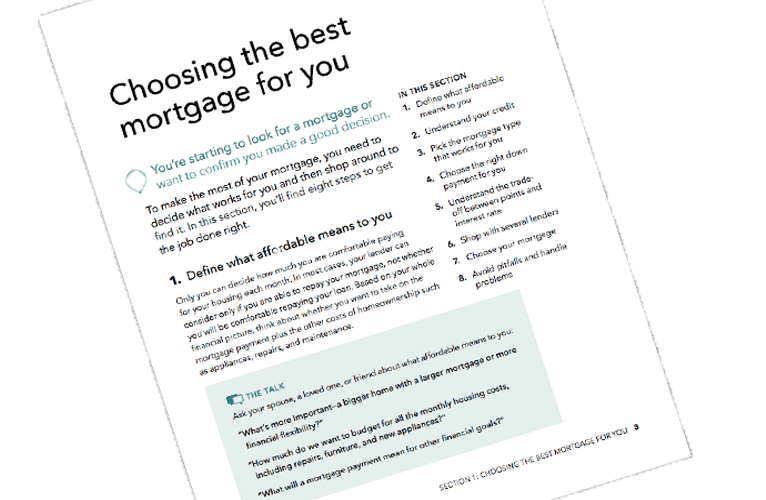
The CFPB released a new feature called "Your Home Loan Toolkit," which will assist consumers through the process of shopping for a mortgage and buying a home. The new toolkit was produced as part of the CFPB's "Know Before You Owe" initiative." [4/1/15]
- So You’re Saying There’s a Chance of Delaying Integrated Mortgage Disclosure Rules?
A CFPB deputy director's comments at a conference that a delay of the planned Aug. 1 integrated mortgage disclosure rule deadline wasn't completely off the table, but an agency spokesperson subsequently squashed that notion. [4/1/15]
- Panelists Condemn Payday, Auto Title Loans, But Offer No Alternatives
Panelists, including CFPB Director Cordray and representatives of consumer advocate organizations, gathered in the "predatory lending capital of the East Coast" (Virginia) to condemn payday and auto title lenders. However, they failed to offer viable alternatives to help consumers who find themselves in need of money and with nowhere else to turn. [4/1/15]
- Credit Card Submission Agreement Rules May Be Temporarily Benched

New, from the AffirmX blog. The CFPB is now working to develop a more streamlined and automated electronic submission system that would allow card issuers to upload agreements directly to the bureau's website. While this development is underway, the CFPB is proposing to temporarily suspend the requirement that you submit your credit card agreements for a period of one year (four quarterly submissions). [3/31/15]
- CUNA Says CFPB Should Increase Relief in âRuralâ Definition Rule
CUNAâs comment letter is supportive of the CFPBâs proposal to broaden the definition of a âruralâ area, but states that the proposed rule should go farther and provide impact analyses to show how communities, consumers, and creditors would be affected if the yearly loan limit was increased from 2,000 to 2,500, 3,000, 3,500, etc. In addition, the small creditor asset limit of $2 billion may be arbitrary and CUNA is asking for consideration to be given to raising the limit. [3/31/15]
- Two House Committee Chairs Press CFPB to Create TILA/RESPA “Hold Harmless” Period
The two chairs of the House Financial Services Subcommittee are urging the CFPB to establish a 5-month âhold harmlessâ period for those working to comply with the new combined TILA/RESPA disclosure requirements that are effective August 1, 2015. The chairs believe this additional 5-month period will allow all parties time to address any compliance issues that may arise. [3/31/15]
- CFPG Goes After Another Debt Collector

The CFPB announced that it is pursuing enforcement action against another debt collector for using intimidation tactics. The CFPB alleges that National Corrective Group threatened consumers with jail time for bouncing checks and charged consumers hundreds of extra dollars in fees supposedly to avoid prosecution. [3/31/15]
- CFPB Targets “Bad Check” Debt Collector
The CFPB issued an enforcement action against a debt collection operation for using threats of prosecution and jail time to get customers to pay debts for bounced checks. The debt collection agency also led consumers to believe that they must enroll in an expensive financial education program to avoid criminal prosecution. If approved, the enforcement action would impose a penalty of $50,000 on the debt collection agency. [3/31/15]
- CFPB’s Proposed “Safe Student Account Scorecard” Assumes All Students are the Same

Trade groups tell the CFPB that its proposed "Safe Student Account Scorecard" approach, which would be used by colleges and universities to select financial institution partners, would drive institutions to offer a particular type of deposit program that is "one-size-fits-all." Schools should be able to partner with financial institutions that can offer an array of financial products to meet diverse needs of students. [3/31/15]